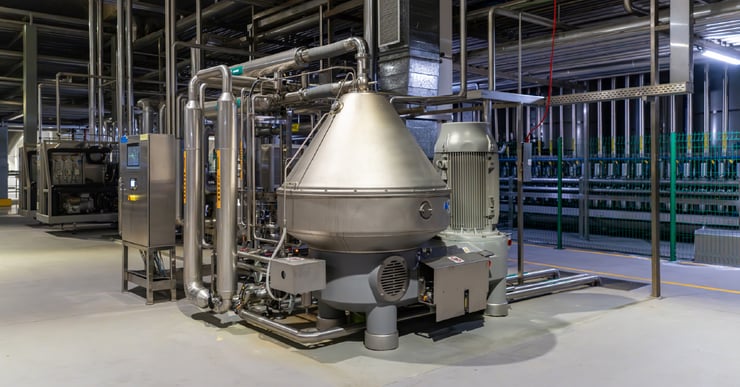
Looking to get a new industrial centrifuge? Check the wait before you sign the bottom line.
A new industrial centrifuge typically takes 24+ weeks to reach your plant after you place the order. A remanufactured centrifuge from Separators can be delivered in 12–14 weeks, roughly half the time of an OEM order.
Below, we compare new and remanufactured separator options by lead time, so you can see which one gets your line running again fastest while meeting your production goals.
New, remanufactured, or repair: how the options compare.
| Option | What drives the cost | Typical lead time | Makes the most sense when |
| New | Model, capacity, controls, plus installation and commissioning | Longest of the four, ordered through the original manufacturer | Capacity or process needs have changed, or there's nothing viable to rebuild |
| Remanufactured | Model, condition of the core, and any automation upgrades | Shorter than new | The unit can't be repaired, or repeat failures say the core is the problem |
| Shop repair, with a rental bowl if needed | How much bowl or drive damage there is, parts availability, and rental bowl use | Weeks, and a rental bowl can keep the line running in the meantime | The unit is worth saving but needs bench work, like bowl balancing or a frame overhaul, that can’t happen on-site |
| Field repair | Labor hours, parts on hand, and whether it’s planned or an emergency call | Fastest when parts are on hand | The issue can be fixed on-site without a full teardown |
How long does a new industrial centrifuge take to arrive?
A new machine is built for the process you run today, but it also comes with the longest wait: 24+ weeks after you place the order. Model and capacity, automation and controls, and installation and commissioning all shape that timeline. Before you commit, make sure your quote includes a committed delivery date, the specification, and the commissioning schedule.
Buying a new centrifuge makes the most sense when:
-
Your capacity needs have changed significantly.
-
You're adding a new line or product, such as moving to cold-milk separation, which calls for specific equipment configuration.
-
Your current unit can't be repaired and there's nothing viable to rebuild.
Can I get a remanufactured centrifuge faster than buying new?
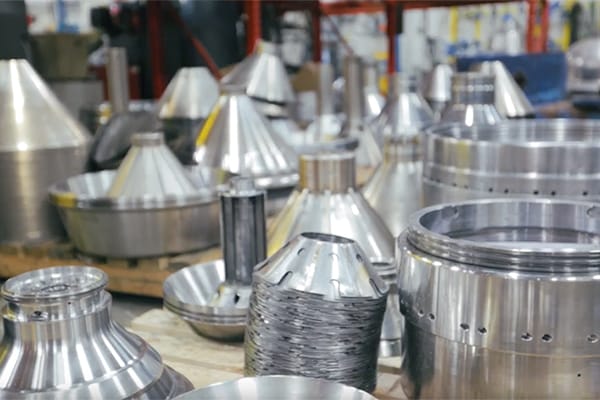
Yes. A remanufactured centrifuge from Separators can be delivered in 12–14 weeks, roughly half the 24+ weeks a new OEM unit takes. Separators remanufactures proven machine models to the same specs, so plants can often reuse existing piping and base plates. And as a bonus, your crew isn't relearning a new machine.
Remanufactured centrifuges aren't "used" — in fact, they are closer to new than anything else. We inspect and document everything that gets replaced and upgraded on a remanufactured centrifuge, and all details are available for your review before you buy. Plus, remanufactured separators come with our Separators warranty.
Before you buy, verify:
-
What was replaced and what was reconditioned
-
Inspection and test documentation, including bowl balancing results
-
Warranty terms, in writing
-
A committed lead time
-
Parts support for that model going forward
Looking at remanufactured centrifuges or clarifiers? See what's available on our remanufactured centrifuges page.
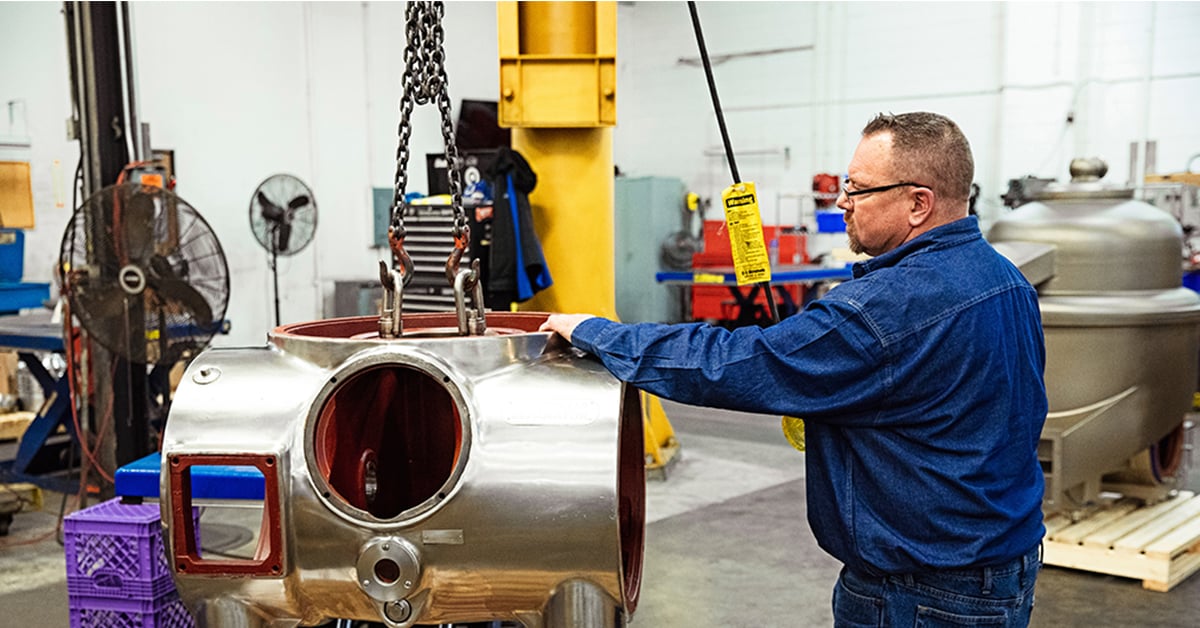
Repair, remanufacture, or replace?
Not sure which direction to take? Here's a quick list of questions to ask yourself.
-
How old is the unit, and what's its failure history? One bad event points to repair. A long record of problems points to needing a new or remanufactured centrifuge.
-
Is the same issue coming back after repairs? If good repairs aren't holding, remanufacture or replacement belongs on the table.
-
How common is the model, and how available are parts? Common models keep repair practical. Rare ones mean planning around parts risk. (On the hunt for hard-to-find parts? That's our specialty. Get in touch with our parts department.)
-
How much downtime can the line absorb? A repair with a rental bowl means little to no machine downtime. A remanufactured unit means several weeks of downtime. And a new industrial centrifuge means planning around 8+ months without the centrifuge.
-
Has the process or capacity need changed? If it has, restoring the old machine may solve yesterday's problem.
For a longer view on lifespan, see how long you can expect your industrial centrifuge to last.
The wait time a quote doesn't show.
No quote shows what your line loses while you wait to make a plan for your centrifuge: production hours, product at risk, overtime, and missed orders. That's often what flips the decision from buying new to the fastest path back to running.
Check out these answers to common remanufactured centrifuge questions.
Get a timeline you can take to your plant manager.
Your real wait is the lead time plus every hour the line sits idle.
Repair is often the smart move when your machine is sound but it's not running properly. Remanufactured centrifuges close the gap when repairs get too expensive, plus they're available in roughly half the time of a new order (and offer a significant cost savings). And a new centrifuge fits when your process has outgrown what you run. Either way, a technician's eyes on your machine turn a guess into a timeline you can defend.
Our team can walk you through which option is best for you and what the timeline looks like for the route you're planning to take.