Search Separators
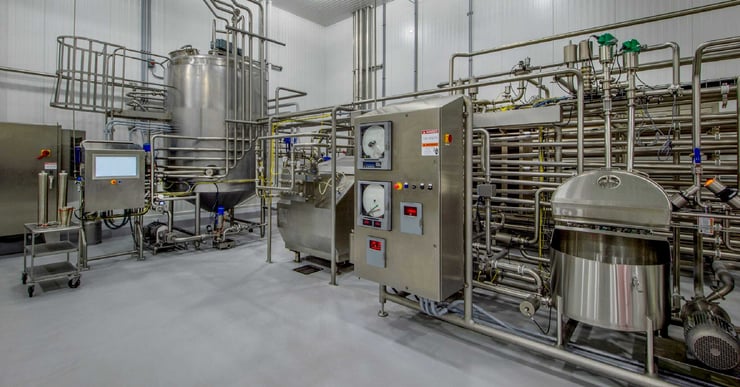
Centrifuge Service for Every Brand in Your Plant
Multi-brand centrifuge service means working with a single independent provider capable of servicing, repairing, and maintaining centrifuges from multiple manufacturers — Alfa Laval, Tetra Pak, and GEA Westfalia — under one service agreement. For dairy plants running centrifuges from more than one manufacturer, it eliminates fragmented service contracts, reduces response delays, and creates a consistent maintenance standard across every machine on the floor.

Meet Melissa Comeford, Separators' New VP of Sales & Marketing
Your centrifuge doesn't care who your service contact is. It just needs to run.
What does matter is whether the person picking up the phone understands what's actually at stake when your equipment goes down — the milk coming in whether you're ready or not, the production targets your boss is watching, the cost of every hour you're not running. Melissa Comeford does. She joined Separators in May 2026 as Vice President of Sales and Marketing, and she spent 27 years in B2B manufacturing learning that a service relationship is only as good as what happens when things go wrong.
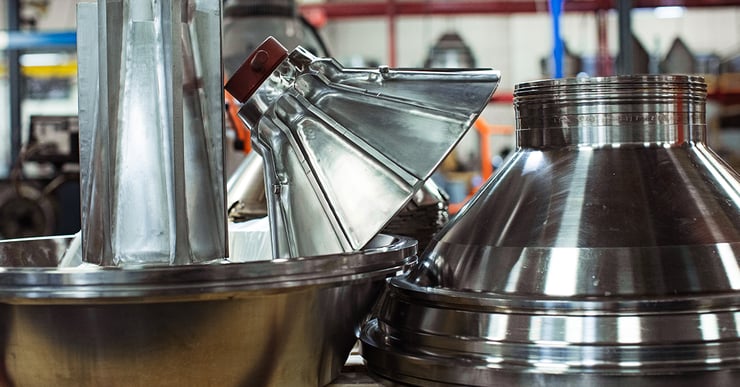
How To Budget for Centrifuge Machine Repair & Maintenance
Unexpected centrifuge breakdowns can quickly halt production and blow up your budget. One day, everything’s running smoothly, and the next, you're facing costly emergency repairs.
The good news? With proper planning based on your equipment’s age, usage, and service history, most centrifuge repair costs are predictable or preventable.
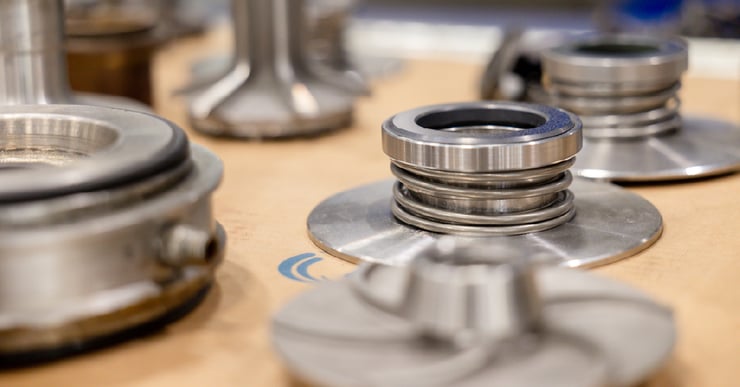
Centrifuge Parts Explained: A Complete Guide to Separator Components
You may be running centrifuges every day, but do you know how they really work? Understanding the parts that make up your centrifuge is key to learning how they operate and, in turn, will help you stop problems before they become shutdowns.
Think of this as your centrifuge anatomy lesson — a practical guide to the parts that keep your separator spinning.
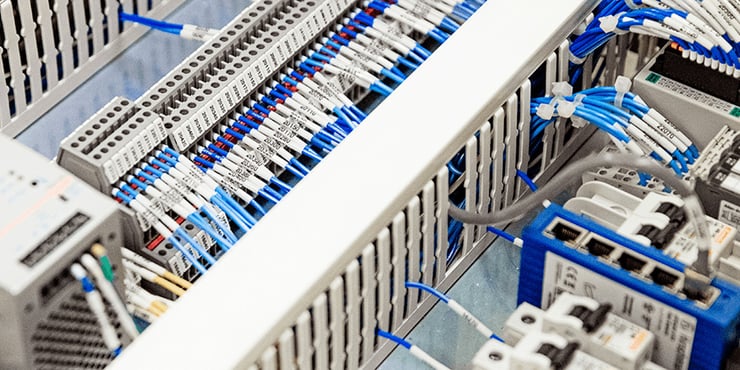
Interview: One Automation Engineer's Advice for Dairy Plants
At Separators, we like sharing our hard-won knowledge and automated centrifuge insights with our clients. That’s why we prodded one of our veteran automation engineers for some insights into why he thinks automation will continue to play a vital role in dairy production facilities.
.jpg?width=740&height=387&name=SEP-ROPS---4-Image-(Rectangle-1200x628).jpg)
2024 Dairy Industry Trends To Watch
So far, 2023 has proven to be full of supply fluctuations, innovation, and a focus on sustainability. And 2024 already looks to be shaping up to be an interesting year, with an increased pressure on companies to innovate and expand product offerings.
As we look ahead to future change, here are the top four trends we can expect to see from top dairy companies in the year ahead.

Top 10 Dairy Companies To Watch in 2024
The dairy industry is in constant churn. As consumer tastes change and the market evolves, only the most innovative companies survive. At Separators Inc., we're at the forefront of this fast-paced world, partnering with dairy plants nationwide. This gives us a unique view of the trends shaping the future.
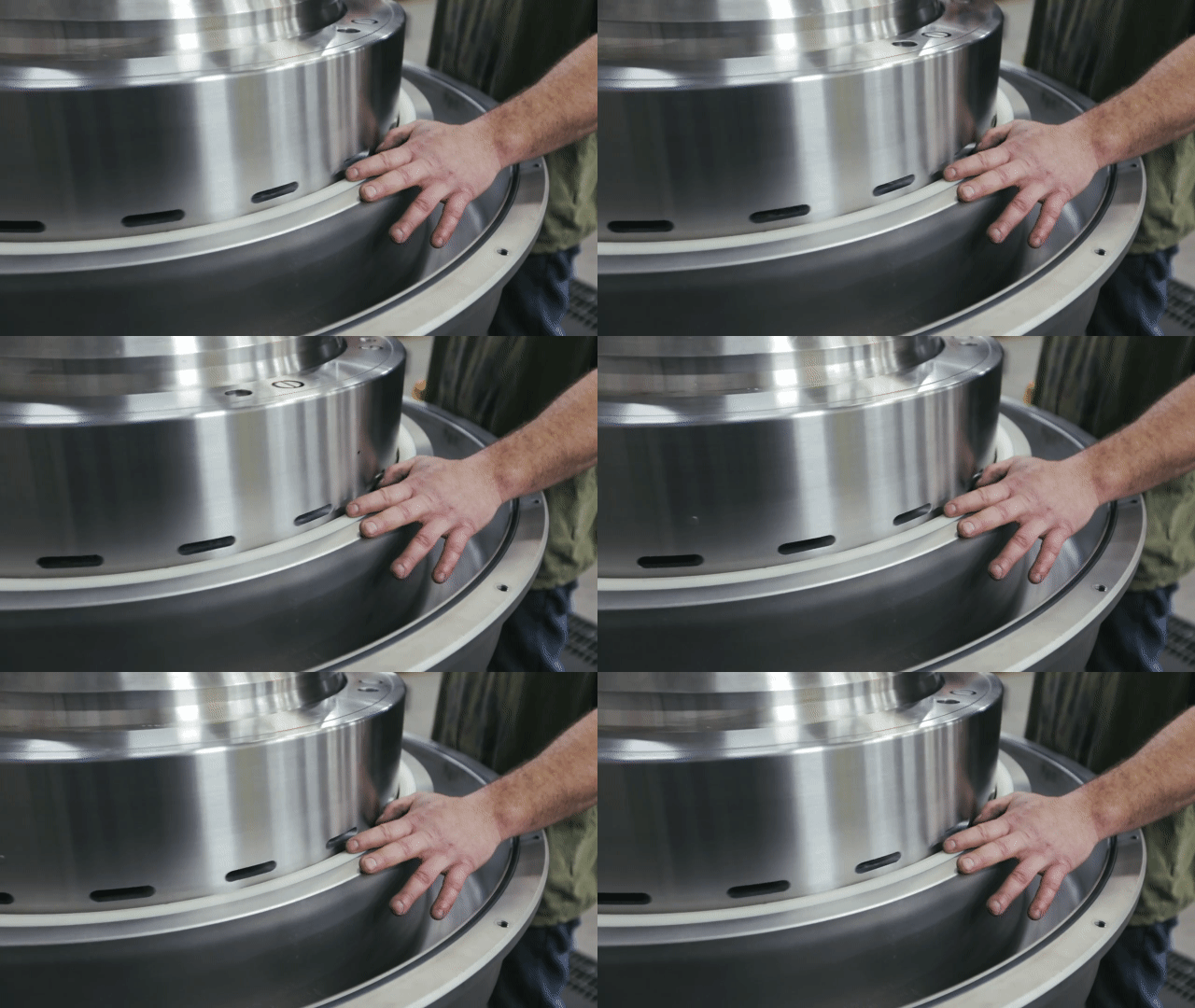
How Does a Centrifuge Work? Everything You Need To Know.
From maple syrup and dairy products to wastewater treatment and pharmaceuticals, industrial centrifuges help create and refine many of the products people use every day.
An industrial centrifuge is a machine that separates solids from liquids, or liquids of different densities, by spinning at high speed. In processing plants, centrifuges are used to improve product quality, reduce waste, increase efficiency, and support continuous production.
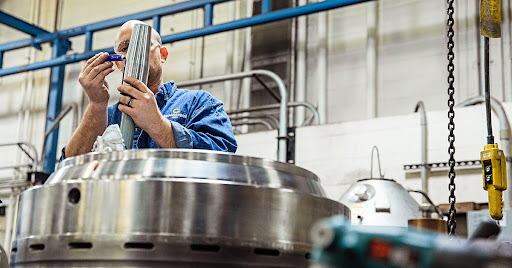
What to Expect When You Service with Separators
Here at Separators, service is our core offering. Over the years, we’ve put a lot of time, attention, and resources into ensuring the completeness of our centrifuge service capabilities. We’ve also been thinking about how we can present our services in ways that are clear to any prospective customers who might be considering working with us. In this VLOG, I provide a quick, easy outline of our service offerings. Check it out:
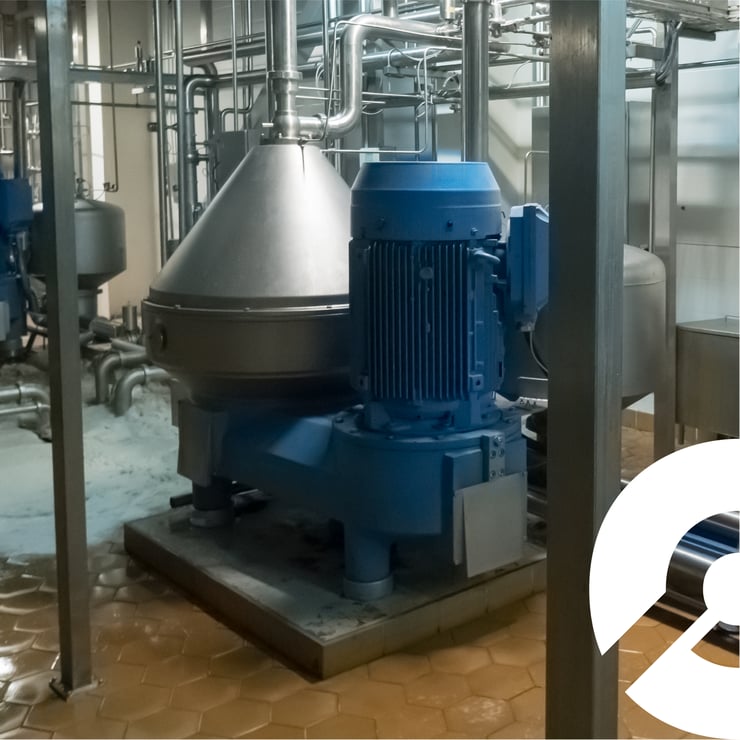
Reduce Your Dairy Plant’s Energy and Water Consumption
Minimizing your centrifuge’s electricity and water usage can save your plant a lot of money. A well-maintained centrifuge can last a lifetime, meaning that optimizing your centrifuge’s operations can result in big savings in the long run.