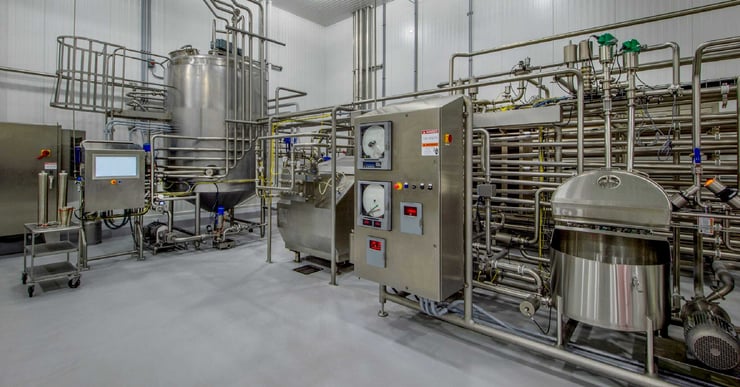
Multi-brand centrifuge service means working with a single independent provider capable of servicing, repairing, and maintaining centrifuges from multiple manufacturers — Alfa Laval, Tetra Pak, and GEA Westfalia — under one service agreement. For dairy plants running centrifuges from more than one manufacturer, it eliminates fragmented service contracts, reduces response delays, and creates a consistent maintenance standard across every machine on the floor.
Running centrifuges from multiple manufacturers shouldn’t mean juggling multiple service contracts, lead times, and support models. A brand-agnostic service partner can standardize response, prevent “vendor finger-pointing,” and keep production stable, especially when uptime matters more than logo loyalty.
At Separators, we built our entire model around that idea. We don’t think the manufacturer you bought from should determine who keeps your equipment running.
The multi-brand reality in dairy
Most dairy plants don’t set out to run centrifuges from three different manufacturers. It happens through acquisitions, capacity expansions, used equipment purchases, and process changes over the years. You end up with Alfa Laval running one line, GEA Westfalia running another, and maybe a Tetra Pak unit that came with a facility you absorbed. Suddenly you’re managing three separate manufacturer service contracts, three parts procurement channels, three sets of lead times — and three different fingers pointing at each other when something goes wrong mid-run.
In a dairy processing environment, that fragmentation has real production consequences. A separator failure during a high-volume milk run doesn’t wait for the right manufacturer to dispatch. The operational cost of fragmented service isn’t just administrative drag, it’s the hour you spend figuring out whose contract covers which machine while the line sits idle. If that scenario sounds familiar, you’re not alone — and the comparison is worth making.
What it actually takes to switch, and why it's worth it
If you’ve been working with the same manufacturer service relationship for years, the idea of switching providers is genuinely inconvenient. You know the rep, you know the process, and your team has built workflows around it. That’s not irrational; it’s how maintenance managers stay sane in a demanding job.
For most plants running multiple centrifuge brands, the push to change usually comes down to one of a few things: scheduling has gotten harder to lock in, costs have crept up without a clear reason, or you’re getting a different technician every visit and starting from scratch on institutional knowledge every time. If any of that sounds familiar, the case for a brand-agnostic alternative to manufacturer centrifuge service gets a lot more concrete.
What decision-makers actually care about and what OEM service often misses
Plant managers want uptime and predictable maintenance windows. Procurement wants fewer vendors, cleaner contracts, and cost visibility.
The most common objections to independent service come down to three concerns:
-
“Will they actually know our machines?”
-
“What about parts quality and traceability?”
-
“What happens to our warranty?”
These are fair questions. The honest answer is that brand-agnostic expertise isn’t a claim; it’s a capability built over decades of real-world OEM vs. independent centrifuge service experience across manufacturers.
OEM service can be excellent for routine work on a single-brand fleet. Where it falls short is flexibility, speed, and accountability when your production reality is more complicated than one manufacturer’s service model was designed for.
What to look for in a multi-brand centrifuge service partner
Knowing multiple platforms isn’t the same as knowing none of them well. A service partner with real multi-OEM experience has built depth across manufacturers. A tech who’s worked on all three knows where to look first when something’s off, regardless of what’s on the nameplate.
A technician who has serviced all three isn’t waiting on a manufacturer queue to get your machine back online.
That means consistent preventative maintenance procedures across equipment — from minor services every six months to the full annual major service — faster troubleshooting because the tech isn’t working from a single manufacturer’s diagnostic script, and fewer grey areas when your systems are interconnected.
It also means that when something goes sideways on a Friday night, you’re calling one number, not trying to figure out whose contract covers which machine.
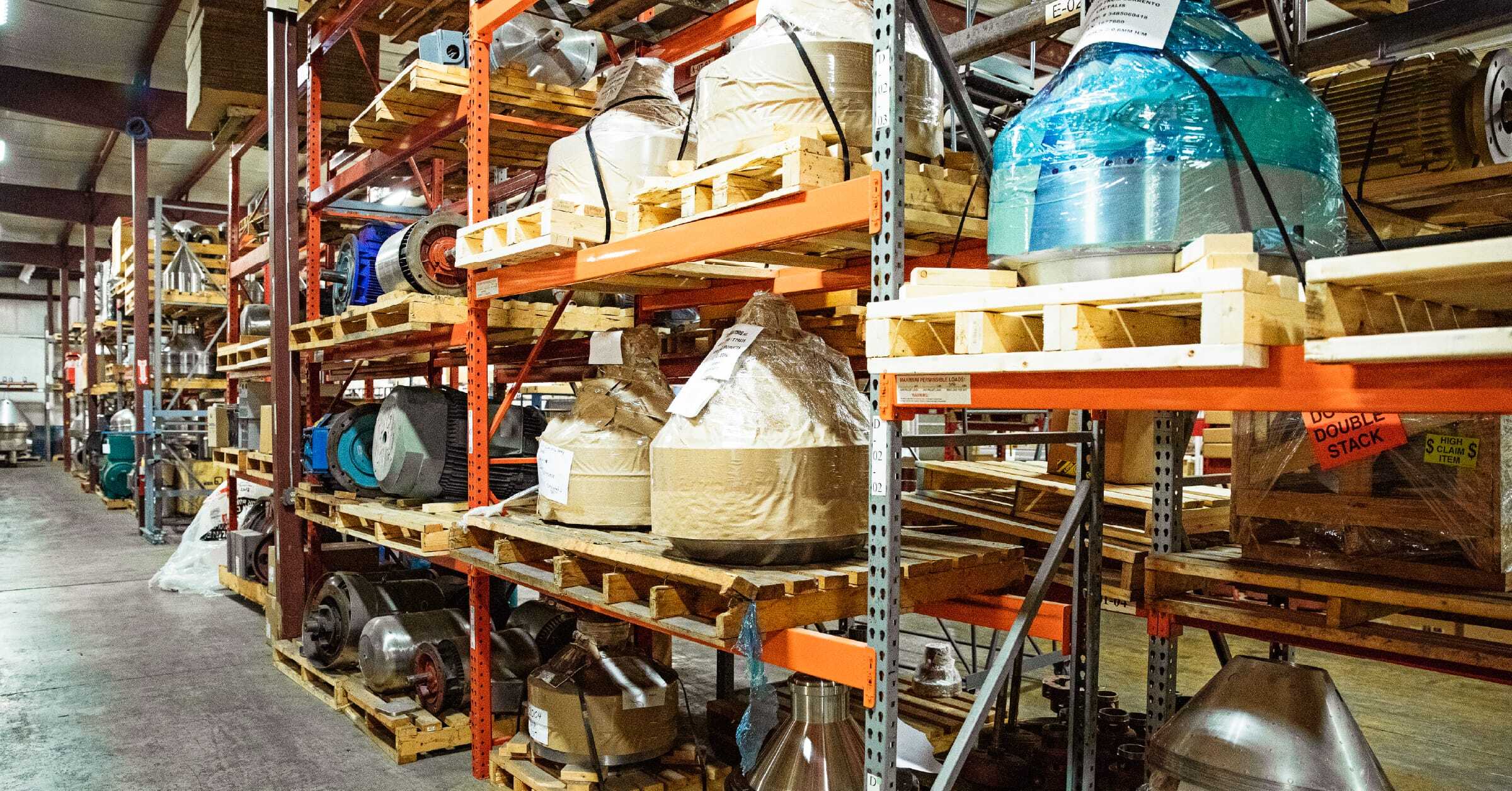
With over 4,000 centrifuge parts in stock and technicians dispatched nationwide via 24/7 emergency service, Separators can respond to a mixed-brand emergency without the wait that comes with routing through the manufacturer. And if your bowl needs to go to the shop while the line keeps running, rental bowls are available to keep production moving in the meantime.
Before you consolidate your service relationships, ask the right questions:
-
Can they name common failure modes and wear points across your major brands by model?
-
Do they have documented inspection, balancing, vibration, and performance verification procedures — not generic, but specific to your equipment?
-
What’s their parts plan — stocking strategy, lead times, approved alternatives, and traceability?
-
How do they handle escalation when uptime is on the line and the answer isn’t obvious?
-
Do they offer technician training for your operators and maintenance team?
A service partner that helps your in-house crew recognize early warning signs isn’t just reducing their own call volume — they’re investing in your plant’s reliability. And it pays to know what every dairy centrifuge owner should have stocked before a service call is ever needed.

The business case: fewer vendors, less downtime, better predictability
For a maintenance manager running centrifuges from multiple manufacturers, the practical win is consistency: one PM standard, one service history format, one call when something breaks. You stop translating between service models and start spending that time on actual maintenance. A standardized major centrifuge service approach across all your equipment also reduces the surprise failures that come from uneven maintenance histories.
For procurement, one master service agreement means clearer SLAs, consistent reporting, and cost visibility across every centrifuge in your facility. You’re comparing the same metrics, not translating three different service models into something finance can read.
Manufacturer service has its place. But for dairy plants running centrifuges from more than one brand, with tight production windows and lean maintenance teams, an independent provider who knows all three manufacturers is going to outperform on flexibility, response speed, and consistency across your whole operation.

The SEP Way: Service first, across every brand
Separators has spent 40+ years building expertise across the three major centrifuge manufacturers: Alfa Laval, Tetra Pak, and GEA Westfalia. For dairy plants running centrifuges from more than one manufacturer, that depth means one partner who already knows your equipment — and doesn’t need you to explain your setup every time you call. Every centrifuge is serviced out of our Indianapolis facility with the same standard: full teardown, inspection, parts replacement, bowl balancing, and detailed service reports with photos and sit-down reviews. The brand on the machine doesn’t change the process.
With over 4,000 centrifuge parts in stock and a 95% fill rate, we’re not waiting on a manufacturer’s supply chain to get you back online. And because we’re an independent provider — not owned by any OEM — we’re a genuine Alfa Laval and GEA service alternative with no manufacturer loyalty conflicts.
We're loyal to customers, not manufacturers. See what that looks like in practice: Read how we went the extra mile for one dairy plant’s separator repair.
If you’re managing centrifuges from multiple manufacturers and want to know where your equipment stands — compatibility, spares risk, and quick wins — we can map that out. Send us your equipment list and we’ll get started.


