Search Separators
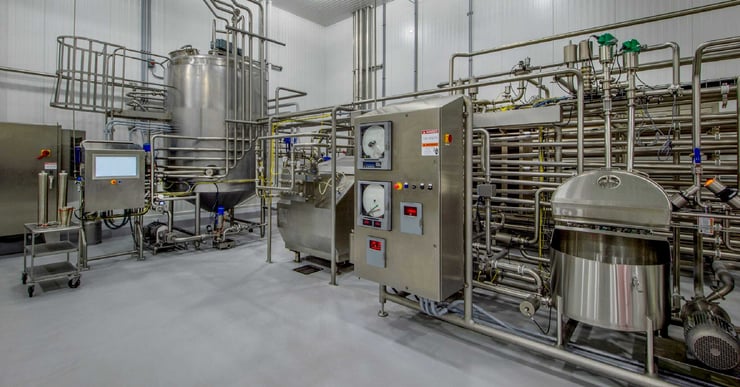
Centrifuge Service for Every Brand in Your Plant
Multi-brand centrifuge service means working with a single independent provider capable of servicing, repairing, and maintaining centrifuges from multiple manufacturers — Alfa Laval, Tetra Pak, and GEA Westfalia — under one service agreement. For dairy plants running centrifuges from more than one manufacturer, it eliminates fragmented service contracts, reduces response delays, and creates a consistent maintenance standard across every machine on the floor.

Meet Melissa Comeford, Separators' New VP of Sales & Marketing
Your centrifuge doesn't care who your service contact is. It just needs to run.
What does matter is whether the person picking up the phone understands what's actually at stake when your equipment goes down — the milk coming in whether you're ready or not, the production targets your boss is watching, the cost of every hour you're not running. Melissa Comeford does. She joined Separators in May 2026 as Vice President of Sales and Marketing, and she spent 27 years in B2B manufacturing learning that a service relationship is only as good as what happens when things go wrong.
5 Industrial Centrifuge Safety Protocols Every Operator Should Know
High-speed rotating equipment plus 24/7 operations is a reality in most plants — and it’s also the perfect setup for serious incidents if safety slips. Centrifuge safety isn’t just a compliance box to check. It’s a commitment to protecting people, preventing unplanned downtime, and keeping your process stable when production pressure is high.
Below are five non-negotiable safety protocols every centrifuge operator and maintenance team should have locked in — plus real-world “shortcut” pitfalls we see in the field.
What Every Dairy Centrifuge Owner Should Stock in Their Part Inventory
Your dairy separator goes down mid-shift. Production stops. You check the parts room, hoping you have what you need — but the shelf is empty. For dairy operations, unexpected downtime disrupts more than just your day. It impacts productivity, profitability, and your ability to meet customer commitments. With tight schedules and perishable products, even minor delays add up quickly.
However, by keeping a few essential components on hand, you can keep production moving when issues arise.
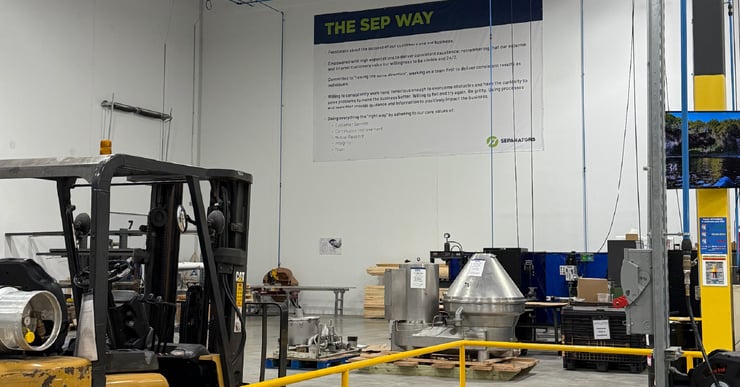
OEM vs Separators: Why Our Centrifuge Services Win Every Time
Downtime is an inevitable part of running a production facility — but fast, effective responses are what separate a minor setback from a major hit to your operation. And yet, many facility managers find themselves stuck relying on OEM service providers who just don’t move with the urgency the job demands. The delays. The inflexibility. The frustrating “one-size-fits-all” approach. Sound familiar?
At Separators, we hear this story all the time — and we’ve built our entire service model to do the exact opposite. Our approach delivers what OEMs can’t: reliable centrifuge service that keeps you running and sets you up for long-term success. Let’s break it down.
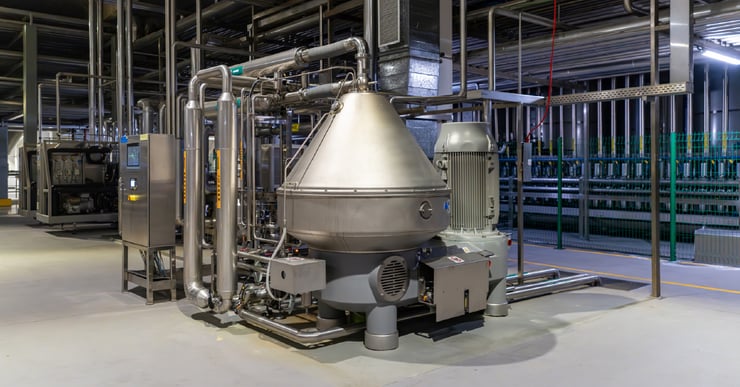
Implementing Automated Centrifuge Controls
Investing in automated centrifuge controls is a big step forward for any facility. But even the most advanced technology is only as effective as the people operating it.
In this post, we’ll explore how to effectively implement automation training that helps your team master centrifuge controls — from understanding the technology to hands-on learning.
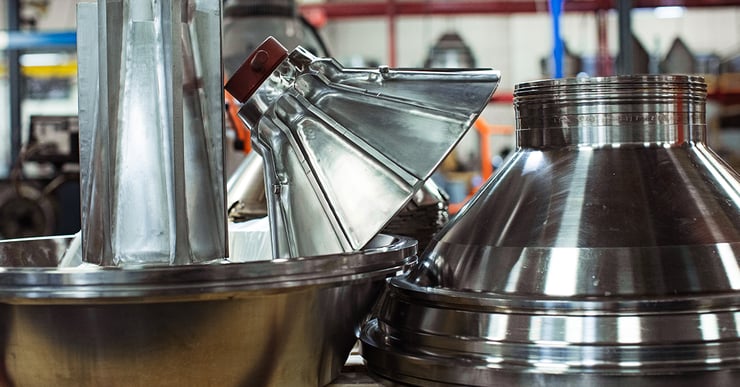
How To Budget for Centrifuge Machine Repair & Maintenance
Unexpected centrifuge breakdowns can quickly halt production and blow up your budget. One day, everything’s running smoothly, and the next, you're facing costly emergency repairs.
The good news? With proper planning based on your equipment’s age, usage, and service history, most centrifuge repair costs are predictable or preventable.
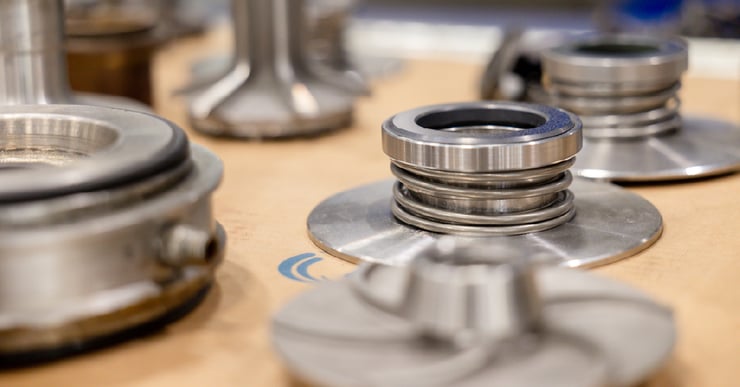
Centrifuge Parts Explained: A Complete Guide to Separator Components
You may be running centrifuges every day, but do you know how they really work? Understanding the parts that make up your centrifuge is key to learning how they operate and, in turn, will help you stop problems before they become shutdowns.
Think of this as your centrifuge anatomy lesson — a practical guide to the parts that keep your separator spinning.
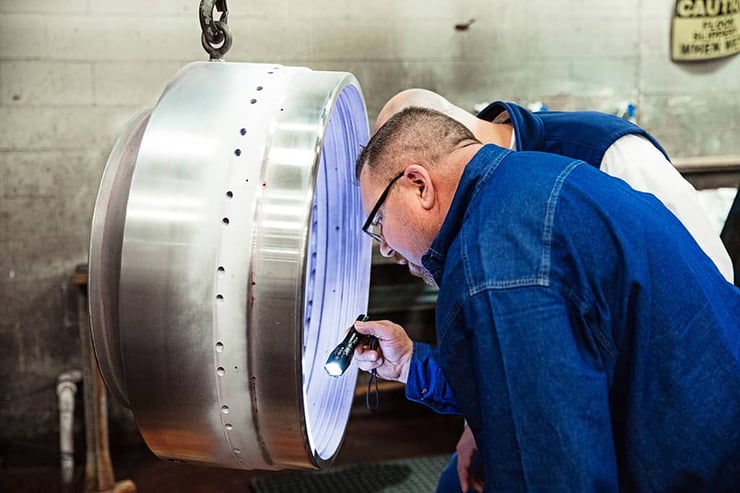
Minor vs. Major Centrifuge Service: What You Get With Each
It’s no secret that regular centrifuge maintenance minimizes production downtime, extends the life of your equipment, and saves your team a lot of headaches (and money) in the long run.
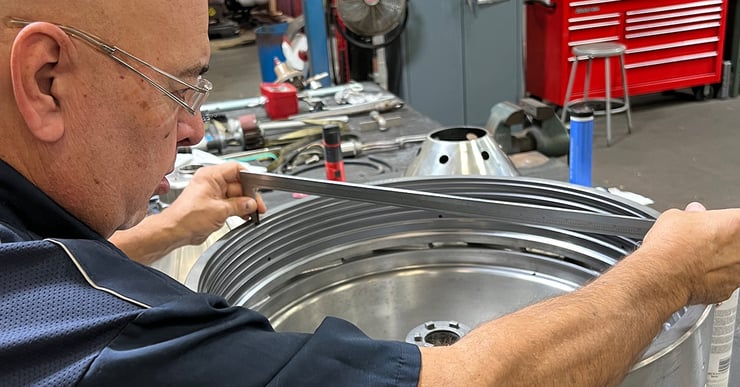
How to Balance a Centrifuge (And Why It’s Important!)

June 13, 2023 at 12:23 PM
Centrifuges are massive, powerful machines. While these machines operate in a simple, consistent manner, the moment a centrifuge bowl becomes unbalanced, the centrifuge quickly becomes one of the most dangerous pieces of equipment on your production floor.