Search Separators
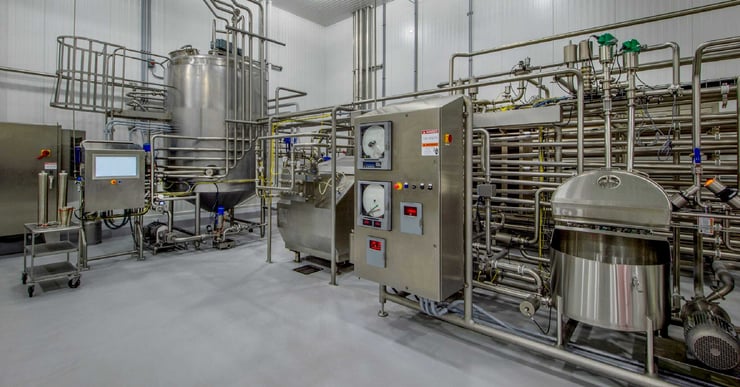
Centrifuge Service for Every Brand in Your Plant
Multi-brand centrifuge service means working with a single independent provider capable of servicing, repairing, and maintaining centrifuges from multiple manufacturers — Alfa Laval, Tetra Pak, and GEA Westfalia — under one service agreement. For dairy plants running centrifuges from more than one manufacturer, it eliminates fragmented service contracts, reduces response delays, and creates a consistent maintenance standard across every machine on the floor.

Meet Melissa Comeford, Separators' New VP of Sales & Marketing
Your centrifuge doesn't care who your service contact is. It just needs to run.
What does matter is whether the person picking up the phone understands what's actually at stake when your equipment goes down — the milk coming in whether you're ready or not, the production targets your boss is watching, the cost of every hour you're not running. Melissa Comeford does. She joined Separators in May 2026 as Vice President of Sales and Marketing, and she spent 27 years in B2B manufacturing learning that a service relationship is only as good as what happens when things go wrong.
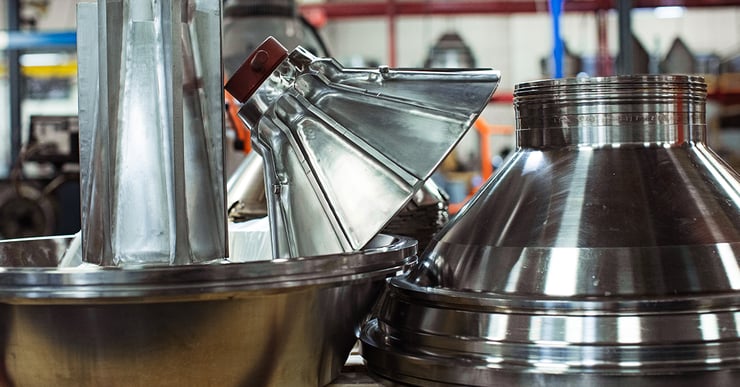
How To Budget for Centrifuge Machine Repair & Maintenance
Unexpected centrifuge breakdowns can quickly halt production and blow up your budget. One day, everything’s running smoothly, and the next, you're facing costly emergency repairs.
The good news? With proper planning based on your equipment’s age, usage, and service history, most centrifuge repair costs are predictable or preventable.
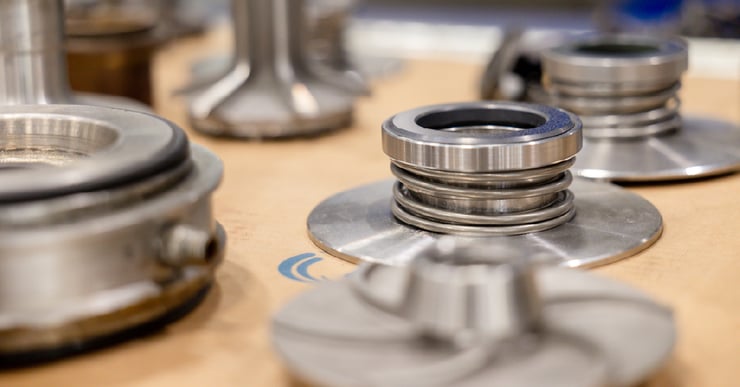
Centrifuge Parts Explained: A Complete Guide to Separator Components
You may be running centrifuges every day, but do you know how they really work? Understanding the parts that make up your centrifuge is key to learning how they operate and, in turn, will help you stop problems before they become shutdowns.
Think of this as your centrifuge anatomy lesson — a practical guide to the parts that keep your separator spinning.
/large-dairy-service.jpg?width=740&height=493&name=large-dairy-service.jpg)
Industrial Centrifuge Maintenance: On-Site Field Service
At Separators, we don't just care about centrifuge maintenance — we live and breathe it. As North America's largest independent service technician organization for Alfa Laval, Tetra Pak, and Westfalia high-speed disc centrifuges, we're all about meeting your needs head-on, whether they're routine or unexpected.
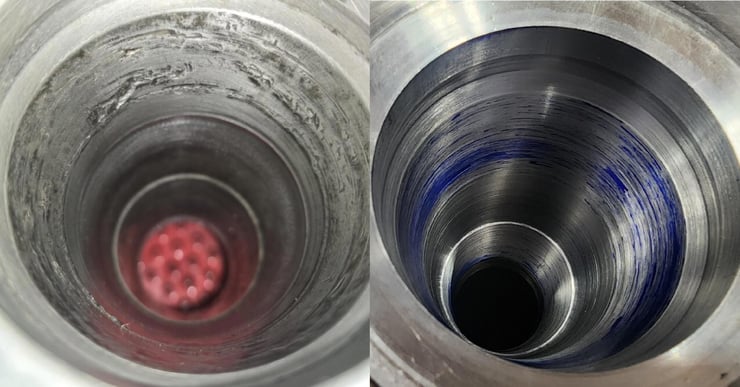
8 Common Centrifuge Repairs Shop Service Handles
From problematic bowl bottoms to pesky bowl components, you probably know the headaches of dealing with centrifuge issues that are on the fritz all too well.
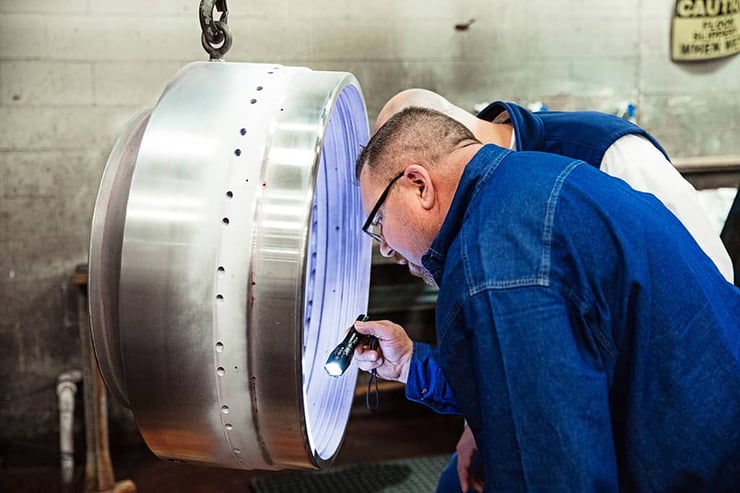
Minor vs. Major Centrifuge Service: What You Get With Each
It’s no secret that regular centrifuge maintenance minimizes production downtime, extends the life of your equipment, and saves your team a lot of headaches (and money) in the long run.
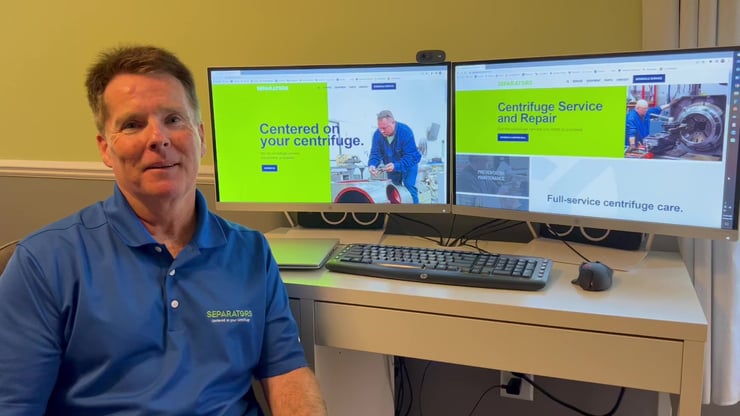
Kevin Burns Tells All: Getting an MSD300 Dairy Centrifuge Online in 24 Hours
Recently, a large dairy plant experienced the nightmare scenario of a catastrophic failure when the bowl cracked on one of their plant’s MSD300 centrifuges.
24/7 Centrifuge Support: It's What We Do
What was the longest wait time you've been given when facing an equipment emergency?
We often hear about plants waiting more than a week to get a technician out to address an issue — and sometimes, the issue has put the plant at a standstill (or, at best, a significantly decreased production volume).
That's why we make it a priority to provide fast, quality service to our customers with our drop-of-a-hat centrifuge repair.
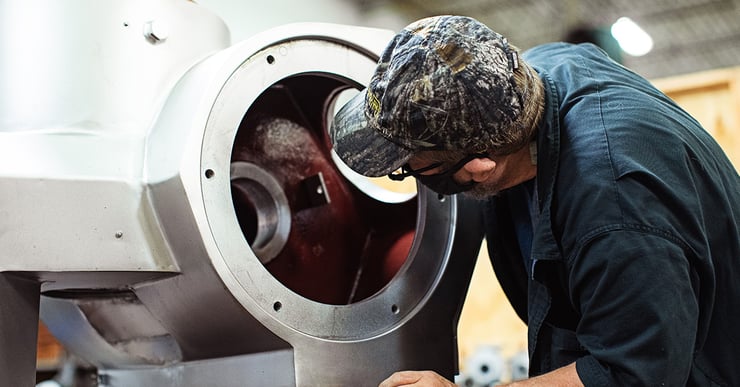
Fast, Easy Centrifuge Repair at Our Indianapolis Shop
While minor and major service visits can help keep your centrifuge in good working condition, wear and tear will require you to send in your bowl and other essential components for more extensive service over time.